A global initiative towards making all drinking water lead-free by 2040

Nothing is more fundamental to human health and well-being than access to safe drinking water.

In 2016, world leaders adopted the Sustainable Development Goals (SDGs) including SDG 6 – a universal call to action to provide access to safe and affordable drinking water to every person, everywhere, by 2030.

As part of our global commitment to provide water that is free from microbial hazards and priority chemical contaminants that impact human health, we launch this global initiative to work towards lead-free drinking water by 2040.
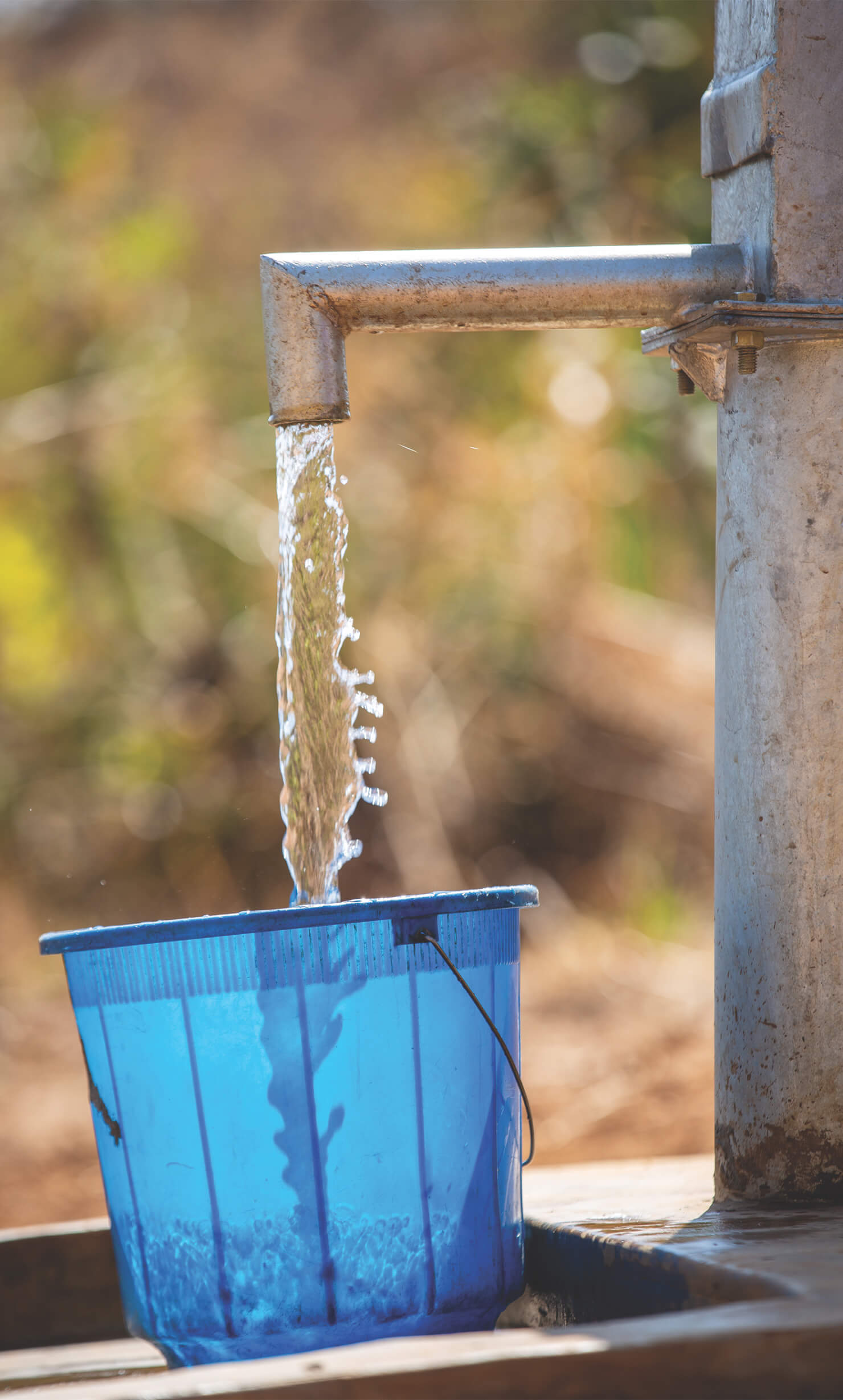
A bucket of water being filled by an outdoor faucet

Events

Accelerating the End of Lead in Global Drinking Water

On Thursday, Oct. 30, 2025, during the UNC Water and Health Conference, the Water Institute at UNC, together with IAPMO, RTI International, World Vision, The Aquaya Institute, Rutgers University, UNICEF, WHO, and Design Outreach, led a side event to gather input on the roadmap to eliminate lead in drinking water.
Watch the video
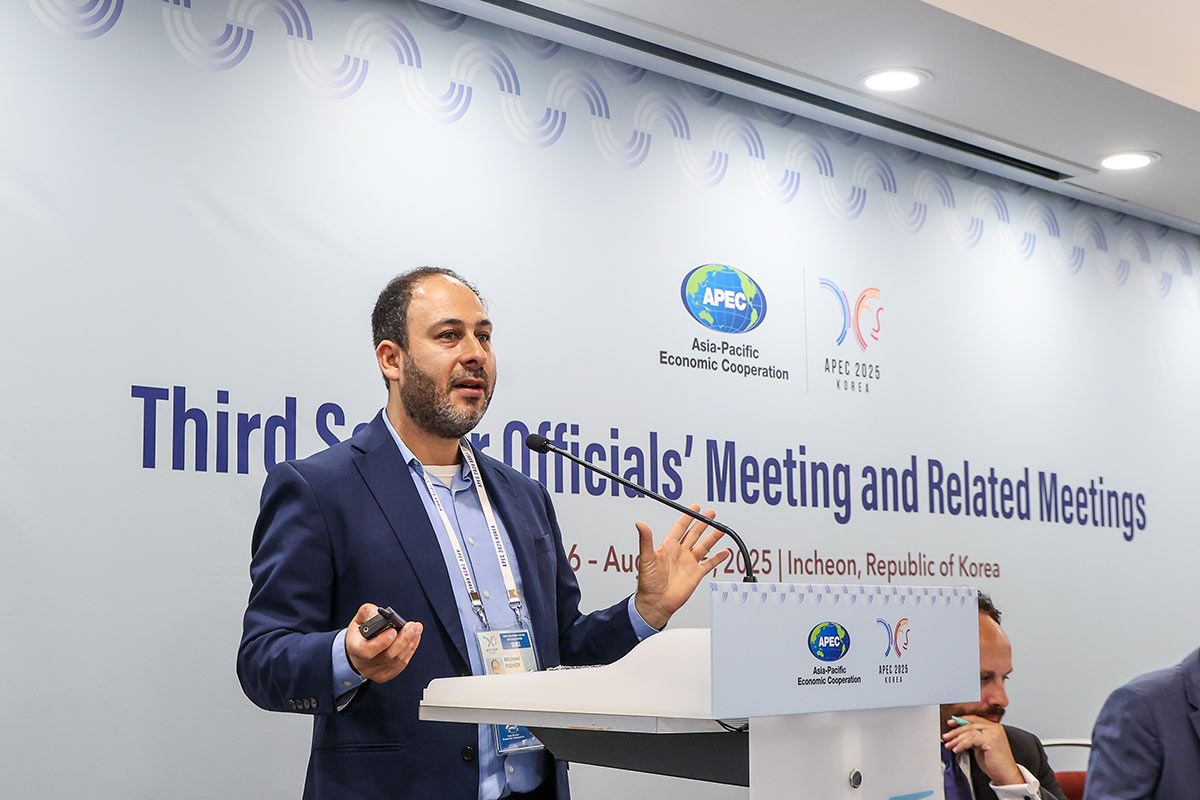
Advancing drinking water safety at APEC 2025

At the APEC 2025 "Building a Sustainable Tomorrow" meeting in Korea, our team led discussions with APEC governments and stakeholders on a regional roadmap to improve drinking water safety standards. UNC Water Institute researchers also shared evidence on lead exposure risks and mitigation. Press release.
Global lead conference

In June 2025, The Center for Global Development invited Senior Researchers from the Water Institute at UNC and the Global Lead-Free Water team to present at the First Annual Research Conference on Global Lead Exposure in Washington, D.C. See poster. (With generous support provided by the Hilton Foundation.)

UN + global lead-free water logos
UN Commitment to Address Lead in Drinking Water

The United Nations made a new commitment to address lead in drinking water at the side event led by our team at the Water Institute at UNC. It was standing-room only and organizations and nations continue to pledge to support the initiative. You can watch the video, read the press release or see latest news.
Global Lead-Free Water logo

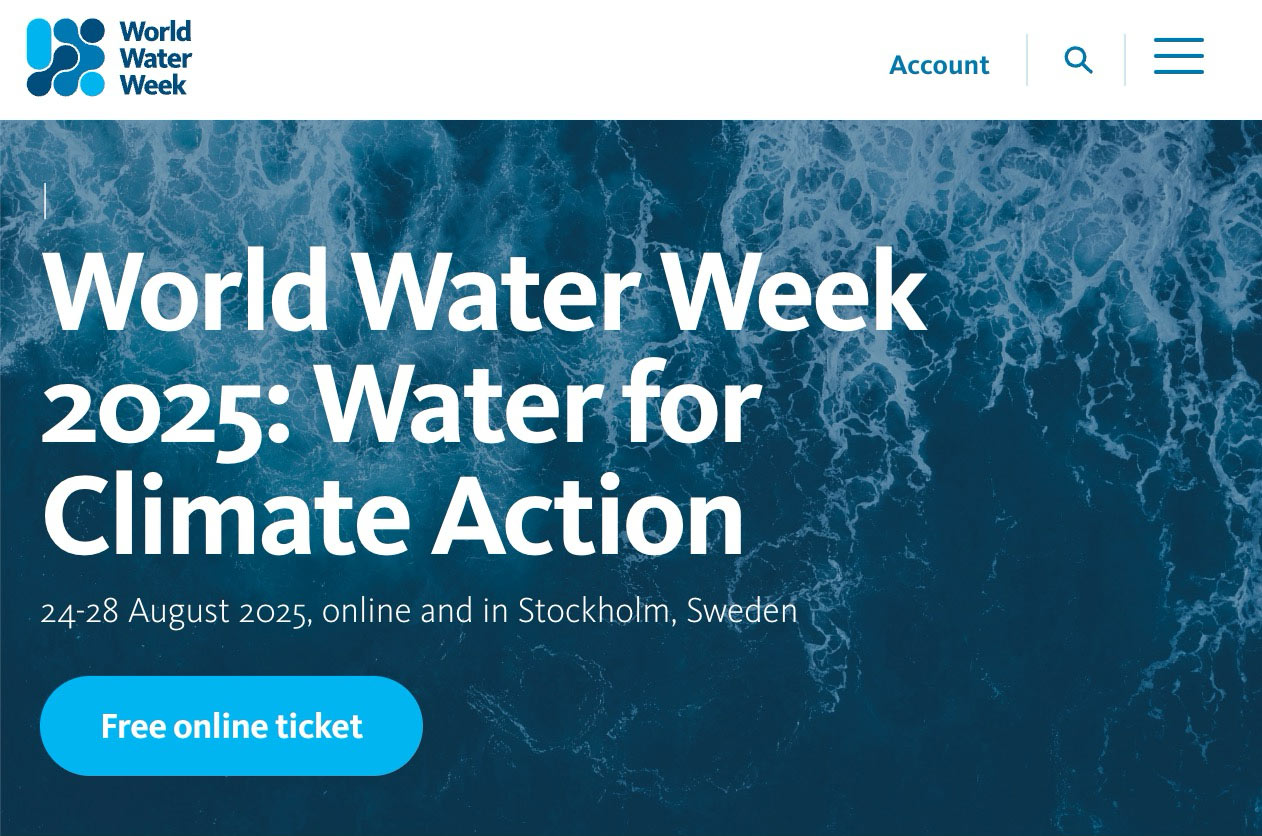
World Water Week 2025 Special Session: Sunday, Aug. 24, 2025

The Water Institute at UNC, along with the African Ministers Council on Water and other partners, hosted a special event during the Stockholm International Water Institute's World Water Week to catalyze greater global action to prevent and mitigate lead exposure through drinking water. Press release

1
2
3
4
5
Man installing a new water pump with 3 children watching on.
A man installing a water pump.
What's at stake?

Lead is an invisible, odorless and tasteless chemical contaminant present in water supply systems worldwide. The primary source of lead in many systems is lead-containing pipes and parts that leach lead into the water.

No safe level of lead exposure has been identified. Lead is a toxin that irreversibly impacts neurological and cognitive development. Acute or chronic childhood exposure to lead causes lifelong harm. Exposure of pregnant women to high levels of lead can cause fetal deaths and developmental abnormalities. Yet today environmental exposures to lead remains a significant global challenge.

Globally, 800 million, or roughly 1 in 3, children have elevated levels of lead in their blood.

There is an urgent need to reduce human exposure to lead in the environment, including to lead in drinking water – a source of exposure that is wholly preventable. Children, in particular, must be able to grow in a lead-free environment. The Lead-Free Water Pledge aims to build momentum around local and global initiatives to progressively reduce exposure to lead from drinking water and protect public health. Our goal is to work collectively towards preventing lead-leaching from new drinking water systems by 2030 and to make all drinking water lead free by 2040.

Founding partners

Government and Intergovernmental Organizations
Ghana
Ghana
South Africa
South Africa
Uganda
Uganda
UNICEF
UNICEF
World Health Organization
Non-Governmental Organizations
Addis Ababa University
Advanced Study Institute of Asia
African Children & Youth Development
Agency for Community Development Aid
ARC Africa
ARC Africa
ASTM International
ASTM International
Banka BioLoo Limited
Catholic Relief Services
Christian Fellowship and Care
CIPHE
CIPHE
Coldstream Filters
Coldstream Filters
Conrad N. Hilton Foundation
Design Outreach
Design Outreach
FIX-A-TAP Australia
FIX-A-TAP Australia
Food for the Hungry
Food for the Hungry
Green Empowerment
Green Empowerment
Int’l Assoc. of Plumbing & Mechanical Officials
International Centre for Diarrhoeal Disease Research
IWSH
IWSH
LEAPP Alliance
LEAPP Alliance
Living Water International
LIXIL
LIXIL
Mboni ya Vijana Group
Millennium Water Alliance
NSF
NSF
Plumbing Industry Climate Action
Resiintel
Resiintel
RTI International
RTI International
Rural Water Supply Network
School Safety Outreach
Su Kuyusu Dernegi
Su Kuyusu Dernegi
Tanzania Humanity Charity and Hope
The Aquaya Institute
The International Water Association
UA.org
UA.org
UNC Water Institute
UNC Water Institute
University of Leeds
University of Leeds
Water Futures
Water Futures
WaterAid
WaterAid
WECI
WECI
Wine To Water
Wine To Water
Wise Scales
Wise Scales
World Plumbing Council
World Vision
World Vision
Addis Ababa University
Advanced Study Institute of Asia
African Children & Youth Development
Agency for Community Development Aid
ARC Africa
ARC Africa
ASTM International
ASTM International
Banka BioLoo Limited
Catholic Relief Services
Christian Fellowship and Care
CIPHE
CIPHE
Coldstream Filters
Coldstream Filters
Conrad N. Hilton Foundation
Design Outreach
Design Outreach
FIX-A-TAP Australia
FIX-A-TAP Australia
Food for the Hungry
Food for the Hungry
Green Empowerment
Green Empowerment
Int’l Assoc. of Plumbing & Mechanical Officials
International Centre for Diarrhoeal Disease Research
IWSH
IWSH
LEAPP Alliance
LEAPP Alliance
Living Water International
LIXIL
LIXIL
Mboni ya Vijana Group
Millennium Water Alliance
NSF
NSF
Plumbing Industry Climate Action
Resiintel
Resiintel
RTI International
RTI International
Rural Water Supply Network
School Safety Outreach
Su Kuyusu Dernegi
Su Kuyusu Dernegi
Tanzania Humanity Charity and Hope
The Aquaya Institute
The International Water Association
UA.org
UA.org
UNC Water Institute
UNC Water Institute
University of Leeds
University of Leeds
Water Futures
Water Futures
WaterAid
WaterAid
WECI
WECI
Wine To Water
Wine To Water
Wise Scales
Wise Scales
World Plumbing Council
World Vision
World Vision
Ghana
Ghana
South Africa
South Africa
Uganda
Uganda
UNICEF
UNICEF
World Health Organization
Addis Ababa University
Advanced Study Institute of Asia
African Children & Youth Development
Agency for Community Development Aid
ARC Africa
ARC Africa
ASTM International
ASTM International
Banka BioLoo Limited
Catholic Relief Services
Christian Fellowship and Care
CIPHE
CIPHE
Coldstream Filters
Coldstream Filters
Conrad N. Hilton Foundation
Design Outreach
Design Outreach
FIX-A-TAP Australia
FIX-A-TAP Australia
Food for the Hungry
Food for the Hungry
Green Empowerment
Green Empowerment
Int’l Assoc. of Plumbing & Mechanical Officials
International Centre for Diarrhoeal Disease Research
IWSH
IWSH
LEAPP Alliance
LEAPP Alliance
Living Water International
LIXIL
LIXIL
Mboni ya Vijana Group
Millennium Water Alliance
NSF
NSF
Plumbing Industry Climate Action
Resiintel
Resiintel
RTI International
RTI International
Rural Water Supply Network
School Safety Outreach
Su Kuyusu Dernegi
Su Kuyusu Dernegi
Tanzania Humanity Charity and Hope
The Aquaya Institute
The International Water Association
UA.org
UA.org
UNC Water Institute
UNC Water Institute
University of Leeds
University of Leeds
Water Futures
Water Futures
WaterAid
WaterAid
WECI
WECI
Wine To Water
Wine To Water
Wise Scales
Wise Scales
World Plumbing Council
World Vision
World Vision

FAQs

Whether lead is in drinking water depends on a variety of factors. If leaded materials are used in the water system, this could introduce lead into the drinking water depending on the water chemistry conditions. The amount of lead depends on the age of the product in the system and for how long the water is sitting stagnant in the system.

Lead tends to get into drinking water when corrosive water is in contact with lead-containing materials for an extended period of time.

Drinking water acts as a route of exposure and can cause harm to those who consume it, especially those most vulnerable such as children.

A comprehensive overview of key studies on lead in drinking water (including its sources, health impacts, and proven prevention strategies) is available in our Lead in Drinking Water: Evidence Summary Fact Sheet (PDF).

This fact sheet highlights representative research showing that:

  • Harmful levels of lead in drinking water are found worldwide
  • The primary source is lead leaching from plumbing materials and components
  • Lead exposure through drinking water contributes to elevated blood lead levels
  • Even low-level exposure can cause long-term cognitive and developmental harm
  • Lead-free materials and corrosion control are cost-effective solutions

Possibly, though depending on the conditions drinking water can have high levels of lead. It is important to eliminate lead in drinking water so it is no longer an exposure route.

Prevention is the first step that should be taken that is not allowing lead into the water. If not possible, remediation is the next best step to minimize the amount of lead exposed in the water. Detecting the lead source is important to replace and advocacy is important to drive change to replace leaded materials.

The community may have a map of confirmed, possible, or suspect lead service lines which you can check. You can also check the water consumer confidence report to see if there is a high level of lead in the water. If those are not available, you could request a test for your water source to determine if there is lead present.

The best way to determine whether lead in drinking water is from the pipes or a contaminated source is by doing a stagnation and flush test. First, let the water sit for an extended period (12+ hours) and take a first-draw sample. Second, flush the water for several minutes and take another sample. If the origin of lead is from the pipes, the first sample (stagnant) would have a higher concentration. If the origin of lead is from the water source, the second sample (flushed) would have a higher concentration.

Depending on resources available, the simplest and fastest solution (though temporary) is to flush the water for several minutes before use. Using a water filter rated for lead is also recommended. If funding is available, lead pipe replacement is recommended instead using a ductile iron or PVC pipe instead.

To completely stop lead from entering drinking water is to stop using any leaded materials or materials that contain lead. If that is not possible, please see "There is lead in my community's drinking water, what can I do?" above.

Latest news

Join the pledge!

Use this form to express your country's or organizational interest in becoming a Partner on the Pledge (our team will follow-up with you).
This website is managed by the UNC Water Institute on behalf of the informal Toxic Metals Working Group. The contents of this website do not necessarily reflect the positions of the individual partner countries and organizations. Within the context of the World Health Organization's work on water quality and safety, the WHO is committed to supporting Member States in achieving the commitments in this pledge.

Website design by AdrialDesigns.com

Contact us